Biggest Threats on the Cyberspace #5: Online Zombies
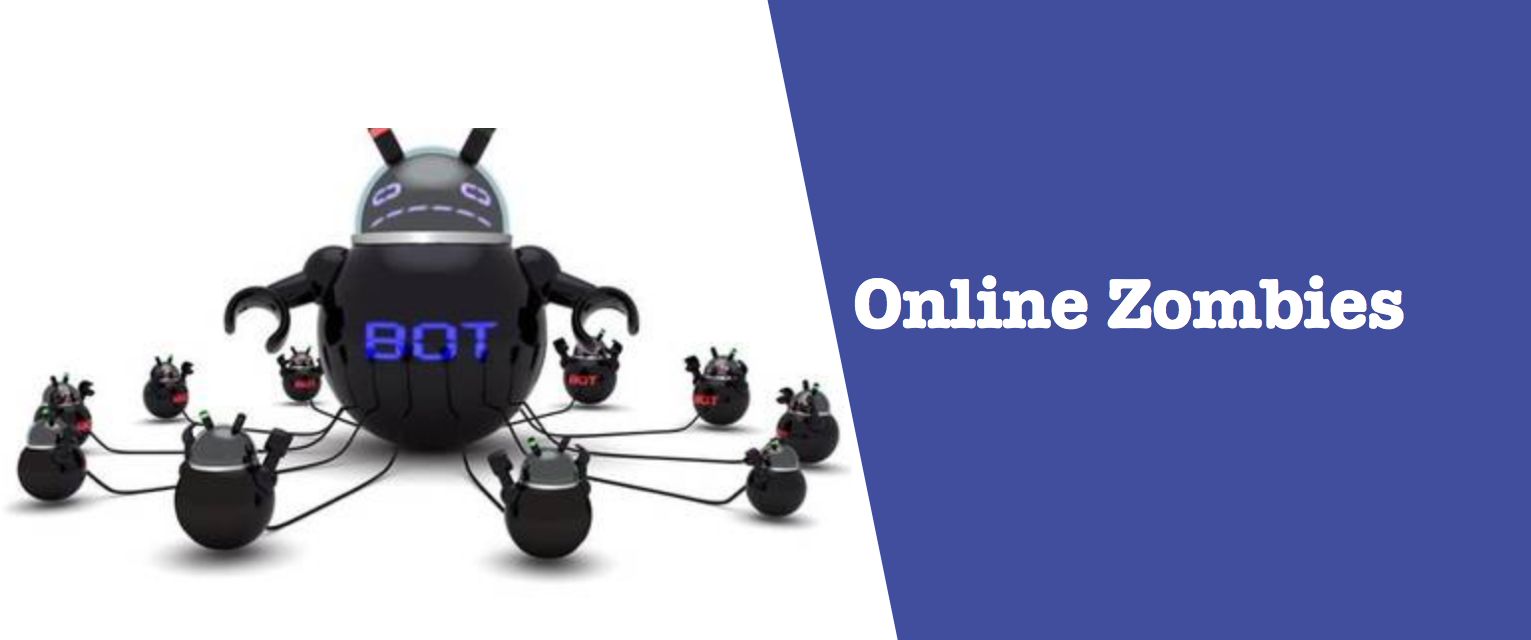
Online Zombies
You’ve probably heard the word online zombie or botnet recently. Any internet-enabled device can be zombified — that means it can be turned into a part of a botnet. These include smartphones, iPads, computers and a lot of other gadgets. Recently published studies from MIT have concluded that online zombies through social media play a major role in spreading fake news. The use of online zombies to mine cryptocurrencies like Bitcoin is a growing business for cyber criminals. It’s predicted the trend will continue, resulting in more computers infected with mining software and more digital wallets stolen. Online Zombies are also dangerous to corporations and consumers because they’re used to deploy malware, initiate attacks on websites, steal personal information, and defraud advertisers. In this article, you will learn:
- What are Botnets?
- What are the bad things Botnets can do?
- What are the bad things an Online Zombie can do?
- How to protect your devices from becoming zombified?
What are Botnets?
A botnet is a group of Internet-connected devices that have been infected with special malware. The kind of malware that creates bots, or zombies, works covertly, acquiring administrative rights and giving control over the device to cybercriminals without betraying its presence. The hacked device works as usual — but it also simultaneously follows orders from the commander of the botnet. Together, the infected devices form a powerful infrastructure that is used to commit cybercrimes.
Hackers use Online Zombies to send spam and fake ads to millions of kids playing video games, asking them to visit websites for free stuff. Once a kid clikes the ads, his/her device gets zombified, and gets a part of crime network, sending similar stuff to other people. Criminals design Online Zombies to run a fraudulent ad scheme, which relies on more views and clicks to make the hackers money. Here are four most common attacks that employ online Zombies for malicious puposes:
DDoS Attack
To build a botnet, botmasters - cyber criminals spreading and controlling botnets - need as many infected online devices or “Online Zombies” under their command as possible. The more bots connected, the bigger the botnet. The bigger the botnet, the bigger the impact. The criminal’s ultimate goal is often financial gain, malware propagation, or just general disruption of the internet. Imagine the following: You’ve enlisted ten of your friends to call ICBC at the same time on the same day. Aside from the deafening sounds of ringing phones and the scurrying of State employees, not much else would happen. Now, imagine you wrangled 100 of your friends, to do the same thing. The simultaneous influx of such a large number of signals, pings, and requests would overload the ICBC’s phone system, likely shutting it down completely. Cybercriminals use botnets to create a similar disruption on the internet. They command their infected bot army to overload a website to the point that it stops functioning and/or access is denied. Such an attack is called a distributed denial of service or DDoS attack.
Hacked Websites
Another way malware installs itself on your kid's device, is when a he/she just goes to a hacked website with the malware hidden on it. This kind of malware attack is usually found on websites that are not used a lot or whose security methods are very old. However, even current websites that people use all the time can host hidden Malwars when someone hacks the site.
The most dramatic cybersecurity story of 2016 was a DDoS attack taken by three kids that brought down the internet globally.
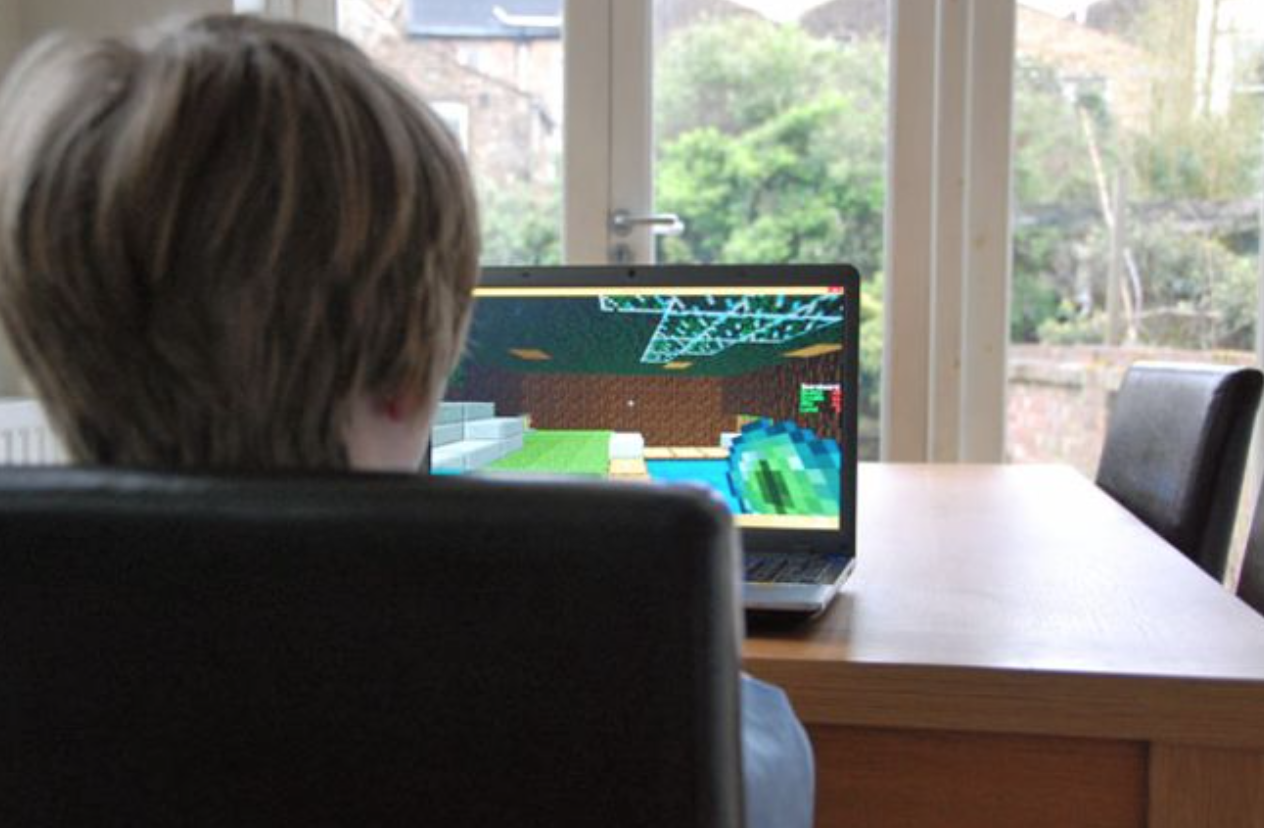
In 2016, three American teenagers pleaded guilty to masterminding an unprecedented botnet—powered by unsecured internet-of-things devices like security cameras and wireless routers—that unleashed sweeping attacks on key internet services around the globe. What drove them wasn’t anarchist politics or shadowy ties to a nation-state. It was Minecraft!
Minecraft is one of the most popular video games that most parents probably don't understand. Minecraft allows children to build worlds made out of blocks - a bit like Lego - According to the video-sharing site, this online game has become the most searched-for term, behind "music".
Spam
If your spam filter works imperfectly, you don’t have to imagine how easily spam can overflow an inbox. But did you know that usually spam campaigns are performed with the help of zombies? Criminals need botnets to trip up providers and special agencies, which block their e-mails and IP addresses to stop the flow of spam. When a computer is infected, cybercriminals use its owner’s e-mail to send spam. In addition, they add contacts from compromised e-mail to their own spam databases. It’s a nasty trick.
Data theft
Of course, contact lists are not all that criminals can steal from hacked devices. The malware pack that turns a computer into a bot can have a number of additional features. Sometimes it steals passwords for mobile and Internet banking. Some Trojans can also change Web pages in your browser to phish critical financial data such as your credit card PIN code.
Recruiting
Botnets are also used to search for new vulnerable devices and infect them with other Trojans, viruses, and yes, of course, special malware that makes them join the botnet.
How to stay safe from Botnets?
With the incease of Internet of Things, the botnet size and power potentially grow. So, this is your responsiblity for taking prevention actions to protect your identity, data, and devices. It is clear now that preventing online zombies' infection requires a comprehensive strategy; one that includes antivirus protection. However, it is not enough; you need to arm yourselves and your kids with good online surfing habits through education. Join Kids' Shield's program to protect your kids' gadgets from being zombified.